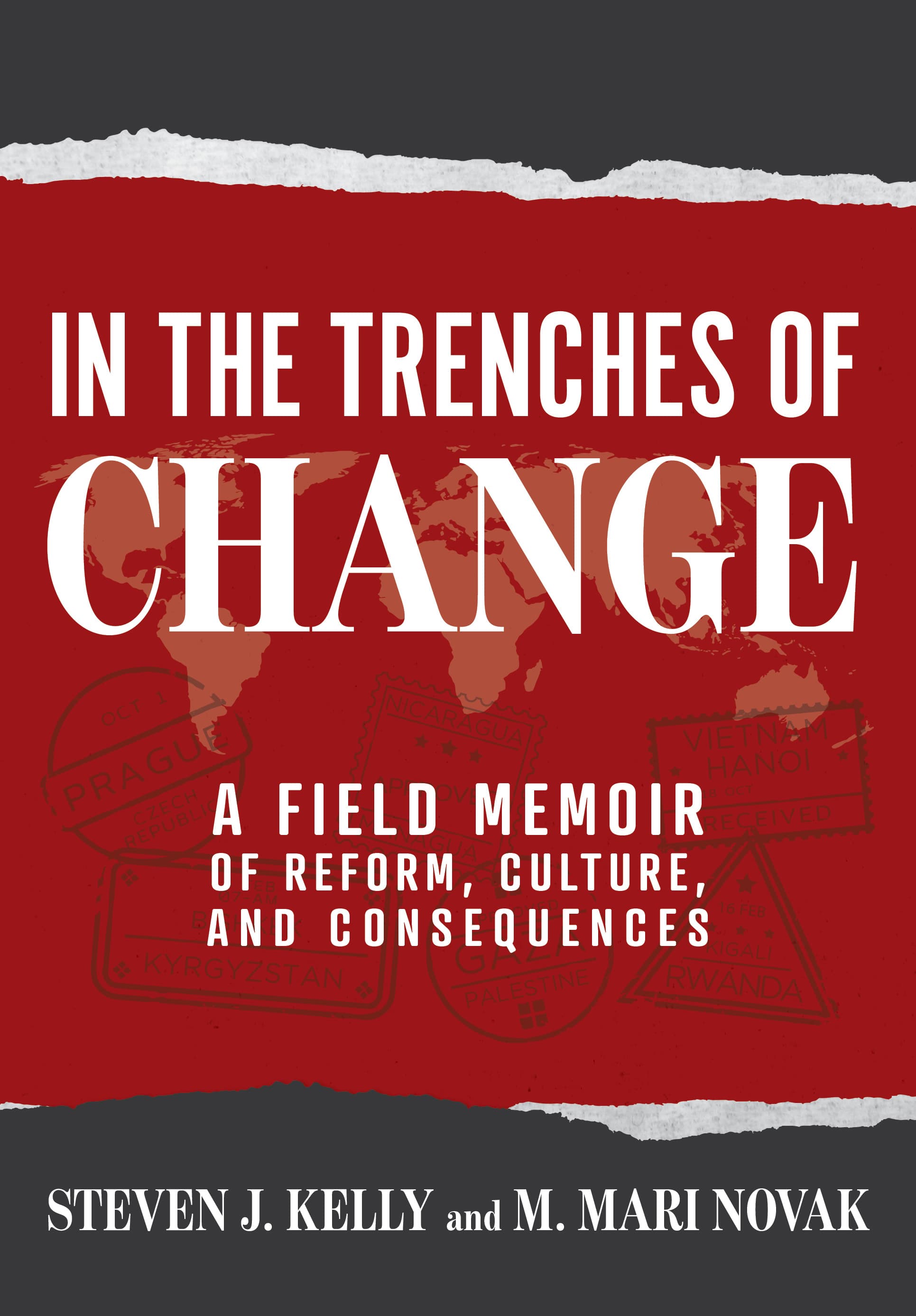
A Field Memoir of Reform, Culture, and Consequences
In the Trenches
of Change
What real change demands when culture, power, and politics refuse to cooperate.
Change is never just a plan. It is trust, trade-offs, and consequences. Steven Kelly and Mari Novak take readers inside the real work of reform—where intent collides with culture, power, and politics.
“A masterclass in navigating culture and politics to achieve real results.”
— Roman Tsutskiridze
4
Decades
5
Continents
25
Countries
Field-tested
Insight
Why This Book Matters Now
Most books about change stay abstract. This one does not. It goes inside institutions under pressure—ministries, public agencies, nonprofits, and businesses trying to improve performance while navigating politics, culture, bureaucracy, and conflicting incentives.
This is not theory from a distance. It is a field memoir shaped by four decades of lived work across complex environments. It shows what progress really looks like: messy, human, incremental, and often harder than the official story admits.
See What's Inside →What You'll Take From This Book
Not slogans. Not tidy frameworks. Hard-earned lessons from the work behind the work.
Why Best Practices Fail
Imported solutions fall apart when local incentives, authority, and ownership do not align.
How Culture Shapes Possibility
What gets adopted, resisted, or quietly ignored is often decided by culture before policy.
How Unintended Consequences Spread
A project can succeed on paper and still damage the wider system it was meant to improve.
Why Readiness Matters
Change cannot simply be imposed. It must be absorbed, understood, and carried forward by people.
Why Capacity Outlasts Projects
The real test is not delivery during the project, but whether competence remains after outsiders leave.
Why Quiet Change Counts
The most durable reform is often small, practical, and easy to miss from the outside.
Inside the Book
The book unfolds in five parts, moving from personal origins and worldview to field practice, resistance, sustainability, and the lessons that remained after decades in the work.
Part I
Origins
The beginnings: what shaped the authors, how they came to this work, and why they chose life beyond borders.

Part II
Seeing the Field Clearly
Culture, transition, dual priorities, and the difference between formal plans and how institutions really function.

Part III
Working the Field
Cases, methods, training, systems thinking, and the practical judgments forged in real assignments.
Part IV
When Reality Comes Knocking
Resistance, fatigue, sustainability, and the stubborn difficulty of making change stick.

Part V
Beyond the Frameworks
The deeper lessons: what endured, what changed, and what still matters for those who do this work.
Stories From the Edge of Reform
When Culture Outruns the Plan
A lesson in Georgia shows that understanding ritual, signals, and local meaning can matter more than formal process.
Read More →Two Masters, One Project
Development work often means serving donor priorities and local realities at the same time—and surviving the gap between them.
Read More →When “Right” Misses the Point
Even well-run projects can fail when people solve problems in silos and lose sight of the systemic whole.
Read More →The Quiet Shape of Real Change
Sometimes lasting reform is not dramatic at all. It is friction removed, burdens eased, and better work still happening after you leave.
Read More →What Early Readers Are Saying
Candid, field-tested, and unusually honest about what real reform demands.
“A masterclass in navigating culture and politics to achieve real results.
“Hard-earned, sometimes humorous, occasionally uncomfortable, and consistently useful.
“I would encourage anyone considering working in change management or reform to read this book, and come back to it again over time.

Meet the Authors
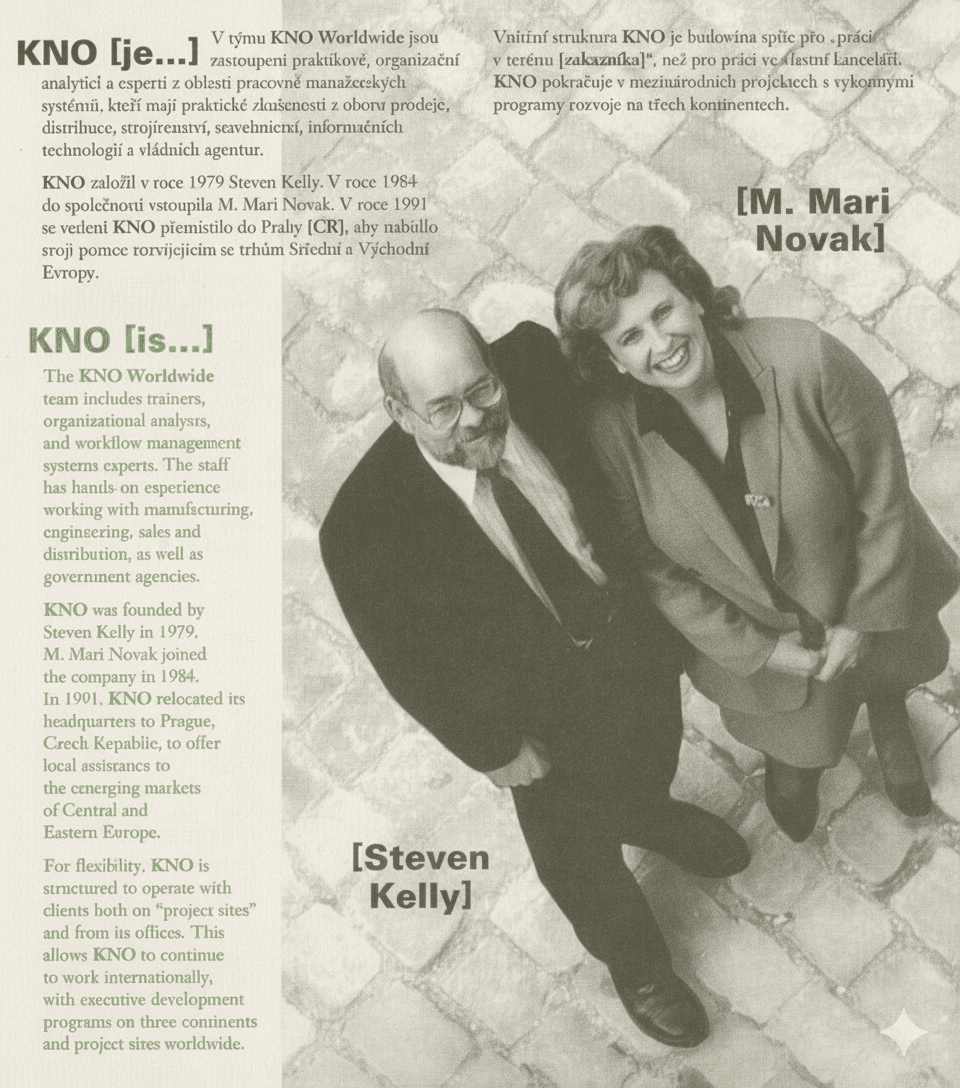
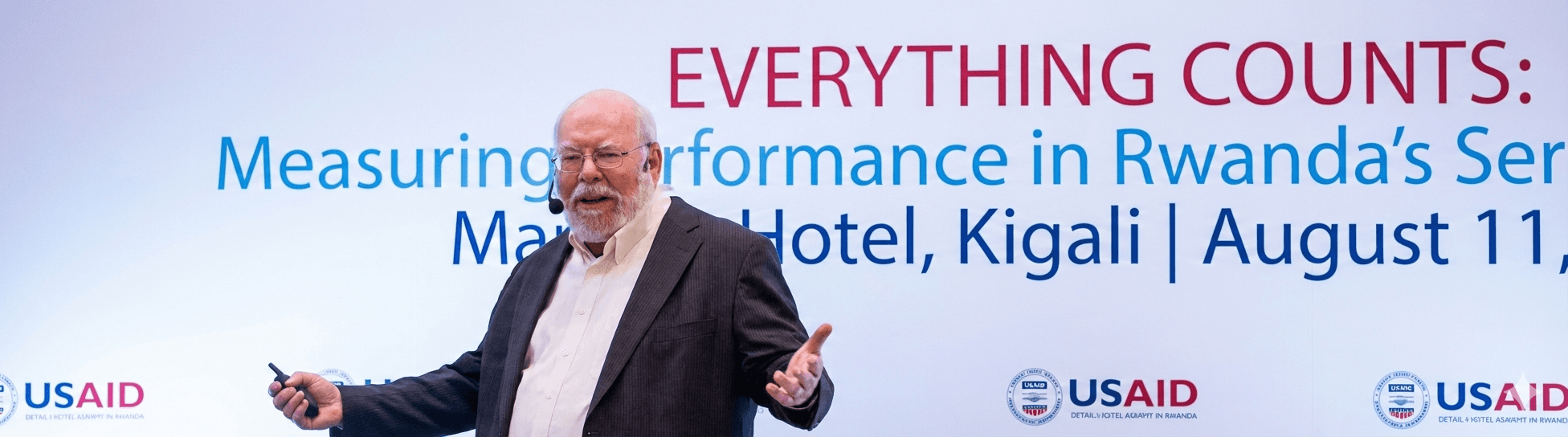
Steven J. Kelly and M. Mari Novak are performance improvement practitioners and long-time consulting partners who have spent four decades working inside organizations undergoing major change.
Across public and private sector settings, they helped leaders navigate reform, modernization, and institutional transition in environments where authority is contested, incentives misalign, and culture shapes what is actually possible. They write as practitioners, not theorists.
Meet the AuthorsStart With the Book's Core Lessons
Get Appendix I: Ten Key Insights—a concise distillation of the lessons that lasted when projects ended and funding ran out. The fastest way to understand the book's core argument: change is human work, not just technical work.
No spam. Only book updates, excerpts, and launch news.
Read the Book Behind the Reports
The manuals tell you what should happen. This memoir shows what actually does.